
What Is a Hybrid Memoir?
Weaving Your Story with Your Wisdom
You have a story to tell. But you also have something to say.
Perhaps you want to share what happened to you, but you don’t want to stop at the story. You want to explore what you discovered along the way: the lessons, the questions, the practices, the ideas and the wisdom that changed how you see yourself and the world.
You might have a memoir inside you. You might have a self-help book. Or you might have something in between.
That something could be a hybrid memoir.
A hybrid memoir brings together two things: your lived experience and the wisdom that grew from it. Your story gives the reader the human experience. Your reflections, ideas and practical invitations give them something to take into their own lives.
It’s a way of writing what you lived and what you learned, without having to separate the two.
Start Exploring Your Hybrid Memoir
What Is A Hybrid Memoir?
A hybrid memoir combines personal narrative with another form of nonfiction, often self-help, personal development, reflection or practical guidance.
Think of it this way:
- The memoir: This is what happened to me.
- The wisdom: This is what I discovered, questioned or learned.
- The invitation: This is something you might like to explore in your own life.
The three elements work together.
A traditional memoir might tell the story of a significant life experience and allow the reader to draw their own conclusions. A self-help book might offer a method or a series of ideas without telling much of the author’s personal story.
A hybrid memoir brings the two together.
It might include a personal story followed by a reflection, a practical exercise, a set of questions or a framework. Or the teaching might be woven directly into the narrative.
There isn’t one correct formula. The form should serve the story and the ideas you want to share.
Three Ways to Structure a Hybrid Memoir
One of the lovely things about hybrid memoir is its flexibility. You don’t have to squeeze your life into a conventional chronological structure or turn every chapter into a lesson.
Here are three ways you might approach it.
1. Story First, Wisdom Woven Throughout
Your story provides the main narrative. Along the way, you pause to reflect on what an experience meant, what changed and what you understand now.
A chapter might move through:
- A scene from your life.
- What you were thinking and feeling at the time.
- What you understand differently now.
- A reflection, question or practical invitation for the reader.
- A return to the story.
This works well if you are a natural storyteller and want readers to follow your journey.
2. Theme-Based Chapters
Each chapter explores a particular theme, with your lived experience woven through it.
For example, your chapters might explore:
- Learning to trust yourself.
- Finding your voice.
- Letting go of an old identity.
- Making peace with uncertainty.
- Beginning again.
You might open with a scene, explore the theme, share what you discovered and offer questions or practices that help readers reflect on their own experiences.
This approach works well when you have several connected stories and ideas that belong together.
3. Alternating Story and Wisdom
You create a rhythm between narrative chapters and chapters devoted to reflection, ideas or practical exploration.
For example:
- Chapter 1: The experience.
- Chapter 2: What it taught me.
- Chapter 3: The next part of the story.
- Chapter 4: The questions and practices that grew from it.
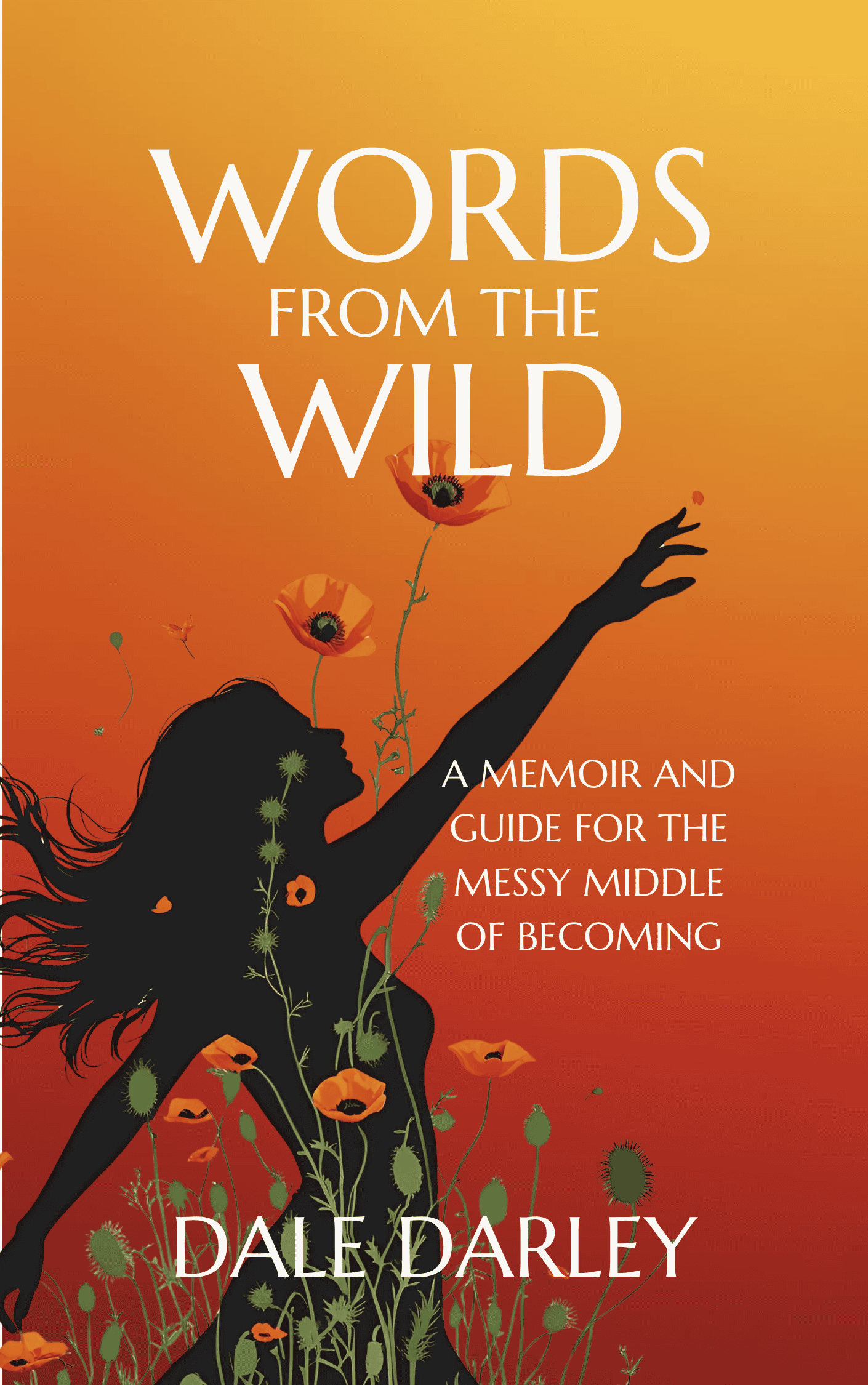
This is the approach I used in Words From The Wild, bringing the story of betrayal and coming home to myself together with writing invitations and reflections. I create a methodology called Write From The Wild and used that.
It gives the reader space to experience the story and then pause to explore what it might mean.
You can also combine these approaches. Your book doesn’t need to follow a template. It needs a shape that feels right for the material.
You don’t need to have all the answers before you start. Writing can help you discover them.
What Makes a Hybrid Memoir Work?
A compelling hybrid memoir needs more than a collection of memories followed by a list of lessons. It needs a meaningful connection between what happened and what you want to explore with the reader. Here are five things to consider.
1. A Story with a Thread
You don’t need to tell your entire life story. Choose the experiences that belong to the central thread of the book.
What changed? What were you searching for? What question kept returning?
2. Honest Reflection
Give yourself room to explore what you thought then and what you understand now. You don’t need to present yourself as someone who has everything figured out.
Sometimes the most interesting writing happens in the space between those two perspectives.
3. Wisdom That Has Been Lived
Your ideas should grow naturally from your experience. They might be insights, principles, practices, questions or ways of seeing the world.
You don’t have to turn every experience into advice. Sometimes an honest question is more useful than an answer.
4. A Reader Connection
Your story is yours, but the themes may be shared.
Consider what readers might recognise in your experience. What might they question, reconsider or feel encouraged to explore?
5. A Shape That Holds It Together
The reader needs a sense of direction. Your story and your wisdom should build on one another, rather than feeling like two separate books competing for space.
I always think that it’s important to start with the story, regardless of what frameworks you have. Your story will show you things that perhaps your framework is missing.
Do You Have a Hybrid Memoir Inside You?
You might be considering a hybrid memoir if:
- You have lived through an experience that changed how you see yourself or the world.
- You have ideas, insights or practices that grew from that experience.
- You want to tell your story, but you also want to explore what it means.
- You have a body of knowledge that feels incomplete without the personal story behind it.
- You want readers to experience your story and take something meaningful from it.
You don’t need to be famous. You don’t need a dramatic life. And you certainly don’t need to have every answer. You do, however, need to understand why these particular stories and ideas belong together.
A useful question to begin with:
What have I lived through that has given me something I genuinely want to explore or share with others?
Then ask:
If I told this story, what would I want the reader to understand, feel or consider?
Your answers will lead you towards the book.
How Much of Your Life Do You Need to Share?
This is an important question.
A hybrid memoir is not an invitation to reveal everything. You are the author. You decide what belongs in the book, what stays private and what you are ready to explore.
You can write honestly without sharing every detail. You can protect other people’s privacy. You can change identifying details where appropriate, while remaining truthful about your own experience.
You also don’t have to write about an experience while you are still in the middle of it. Give yourself the time and support you need.
The aim isn’t to expose your life. It’s to shape a meaningful piece of writing from what you have lived and learned.
Is Your Book a Memoir, a Hybrid Memoir or Something Else?
Sometimes the hardest part isn’t writing. It’s deciding what you’re actually writing.
You may have several stories, a collection of ideas, a teaching method or a lifetime of experience. They might all feel as though they belong in one book.
Before you begin organising chapters, take a little time to explore the shape of your idea.
I’ve created a short quiz to help you consider whether you’re writing a memoir, a hybrid memoir or a different kind of nonfiction book.
My Own Experience of Writing a Hybrid Memoir
When I wrote Words From The Wild, I wasn’t simply telling the story of betrayal. In fact, it wasn’t until I read the first draft did I see it – self-betrayal smacked me in the face. This is what I call writing to discover and boy did I!
I was exploring what it meant to lose parts of myself, find my way through the messy middle and begin coming home to who I was.
The writing became a conversation between the experiences I had lived and the wisdom I was discovering.
I didn’t want to write a conventional self-help book. Nor did I want to tell my story and leave all the meaning for the reader to work out.
I wanted both. I developed something called Write From The Wild and each alternating chapter used this framework to help the reader work through something in their own time.
That is the beauty of a hybrid memoir. It gives you space for the human story and the ideas that have grown from it.
And you don’t have to know the whole shape before you begin. Sometimes the writing helps you discover what the book wants to become.
A little inspiration for your writing journey
Writing your memoir is a journey of discovery. Along the way, you’ll find questions worth exploring, memories worth revisiting and stories you may never have realised were waiting to be written. Explore the articles and resources on memoir writing, finding your story, memoir structure and the writing process.
Memoir: Capturing Memories & Writing Your First Scene
Awaken the Memories That Shaped Who You've Become Every memoir [...]

Memoir: Six Compelling Reasons to Write It Slowly
Confession time. I have never written anything, let alone write [...]

Why Your Memoir Keeps Dying At Four Thousand Words
Memoirs die because they are not well thought out; writing [...]

Why Your Story Doesn’t Need to Be Complete to Matter
Your story doesn't need a neat ending to be worth [...]

Why Your Story Matters
Have you ever caught yourself thinking, "My life isn't that [...]

The Healing Power of Writing About Your Trauma
Writing about what happened to you - your trauma - [...]